
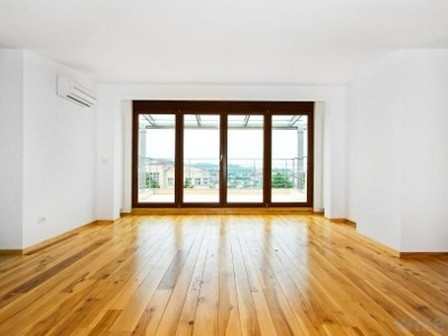
Think of your wood floor as a credit card—it’s a valuable asset that demands responsible use for the best long-term benefits. From selecting a gentle yet effective floor cleaner to understanding how to handle accidents like urine stains, the correct approach will extend the life of your floors. In this article, we attempt to arm you with strategies to protect your investment and ensure your hardwood remains a home showpiece. Keep reading to learn about the practical safeguards that prevent damage and maintain the allure of your hardwood.
Selecting the Right Cleaning Tools for Wood Floors
Knowing the specifics of your wood floor is akin to holding a card that guarantees a winning hand; it ensures that your cleaning routine effectively enhances its warmth and longevity. Unlike durable linoleum or resilient carpet, which might boast “easy to clean properties,” wood demands a tailored approach. It starts with recognizing the wood type and its finish, as this knowledge prevents damage and preserves the floor’s beauty. Selecting suitable implements is paramount; soft-bristled brooms and microfiber mops are recommended to gently lift soil without scratching the surface, offering a precise level of care that keeps wood flooring in pristine condition.
Identify the Type of Wood and Finish
Begin your hardwood care journey by consulting a frequently asked questions (FAQ) section tailored for wood floors; these resources are a fountain of knowledge about different wood varieties and their finishing treatments. Identifying whether you have laminate (which isn’t wood at all), manufactured, or true wood, along with its finish and any coatings, can inform you about the most compatible cleaner to use, ensuring both the cleanliness and integrity of your floor.
Regular dust removal is essential, as particles can act like sandpaper underfoot, dulling the floor’s finish over time. A neutral cleaning agent designed for wood floors such as those sold by Zep or Bona can help maintain the floor’s luster without introducing harmful chemicals. Always select products specifically intended for your floor’s wood type and finish to prevent potential damage.
Choose Soft-Bristled Brooms and Microfiber Mops
The selection of proper tools when maintaining floors can make the difference between a surface that glows and one that shows every imperfection. For daily upkeep, prioritize a soft-bristled broom – the gentleness of the bristles is to wood what a washing machine’s gentle cycle is to delicate clothing – avoiding the harsh scrapes that harder bristles, designed for ceramic tiles or concrete surfaces, might inflict.
Just as grout lines are best addressed with specialized solutions, the correct mop choice for wood floors involves microfiber technology. This material not only attracts and holds dust and grime but also applies the cleaning agent evenly and with care, akin to a policy that safeguards the floor against the abrasive elements that can accumulate through day-to-day activities.
The Best Cleaning Solutions for Your Wood Floors
Optimal care for wood floors involves more than just the physical tools—the cleaning solutions you choose are equally vital. Rather than reaching for general surface cleaners, like Simple Green or Fabuloso, which are too abrasive for the delicate nature of wood, consider crafting a milder, homemade concoction that preserves the integrity and sheen of your floors. When shopping for a commercial cleaner, seek out products that are formulated specifically for wood to avoid harsh chemicals or wax buildup that could dull or damage the finish over time. This approach to floor cleaning ensures your wood surfaces remain in top condition and are cleaned without compromising their natural beauty or longevity.
Prepare a Gentle, Homemade Cleaning Solution
A gentle, homemade concoction can often rival the effectiveness of a heavy-duty machine when caring for wood floors. Concoct a simple blend of warm water and mild dish soap to create a solution that gently dislodges dirt without the need for a floor scrubber, thereby protecting both the wood’s finish and your family’s health.
For those stubborn areas where a flathead micro fiber mop alone won’t suffice, your homemade solution is a perfect match. Apply it sparingly with a soft cloth, as if applying polishing cream to a classic Ferrari, taking care not to oversaturate the wood and risk water damage using a cleaner.
Avoid Products With Harsh Chemicals or Wax
Floor cleaning solutions often contain harsh chemicals designed to tackle stubborn stains and grease, but such ingredients can harm floors by stripping away the finish and leaving behind a residue that dulls it. Using harsh chemicals on flooring not only affects their aesthetic and longevity but can also degrade indoor air quality. A simple solution of water and mild dish soap can effectively clean without introducing harmful chemicals, ensuring that the indoor air remains as fresh and clean as your beautifully maintained wood surfaces. NEVER apply a wax product to your wood flooring resisting the urge to acquire a quick shine. With time that wax begins to peel much like human skin when recovering from a sunburn. Additionally, once a wax is applied most cleaning solutions become unviable in that they can expedite the aforementioned peeling process.
Implementing a Regular Cleaning Schedule
Maintaining clean floors, whether they are gleaming lengths of hardwood or practical laminate floors, requires diligence and the right strategy. Daily dusting with a microfiber cloth or mop effectively removes the fine particles of surface dirt and grit that can wear down finishes and lead to wax buildup. In addition, setting aside time each week for a more thorough cleaning helps to sustain the natural shine of the wood and stave off the gradual accumulation of grime. Using a scrubber not only enhances the visual appeal of your floors but also plays a crucial role in preventing water damage by ensuring that spills and moisture do not linger.
Daily Dusting to Remove Surface Dirt and Grit
To keep floors looking their best, a daily sweep to remove dirt and fine grit is indispensable in preventing scratches and ground-in dirt that could lead to the need for a deep clean service. A soft-bristle vacuum gently yet effectively cleans the hard surface without the risk of introducing scratches like a steel-bristled broom might.
Removing particles on a daily basis safeguards your floor against the gradual embedding of debris, which can lead to permanent discoloration or staining. Rather than waiting for obvious dirt accumulation, a quick pass with a vacuum cleaner designed for hardwood use ensures that surfaces remain spotless and resilient to everyday wear and tear.
Weekly Deep Cleaning to Maintain Shine and Prevent Buildup
A key strategy in sustaining the luster of wood flooring is the weekly deep clean, which can be likened to the meticulous maintenance of a floor scrubber that needs to stay in peak condition. This deeper cleaning involves a gentle, yet effective, vacuuming followed by a mop-up with a solution designed to cut through the buildup of dirt and grime without damaging the floor.
Your floor requires a comprehensive cleaning kit similar to the one you’d find for caring for vinyl composition tile – gentle, yet effective. Thorough sweeping and mopping regularly are imperative to remove any lingering debris that daily cleaning might miss, thus preventing the long-term dullness and the accumulation of grime that can obscure the floor’s natural grain and shine.
Effective Techniques for Spill Management
Managing spills on hard surface floors requires prompt action to prevent lasting water damage —a challenge that doesn’t discriminate depending on whether you’re dealing with a dyson carpet cleaner on textiles or a grout cleaner on tiled areas. Unlike materials that shrug off moisture easily, wood surfaces call for an immediate response with the right technique. The primary rule of thumb is to blot any splashes or spills quickly, using a soft, absorbent cloth to contain and remove the liquid before it can seep into crevices and cause damage. It’s essential to exercise restraint when mopping up the area, employing minimal amounts of water or cleaner; an approach that prioritizes wood’s natural sensitivity and preserves the ambient air quality by avoiding excess moisture that could lead to mold or mildew formation and warping.
Use Minimal Water or Cleaner to Prevent Water Damage
In responding to spills, it’s wise to use the least amount of liquid possible. Too much water or cleaner risks seeping past the protective surface layer, leaving floors susceptible to swelling or warping.
Indeed, the keys to maintaining hardwood floors lie in the subtlety of one’s cleaning approach. Select cleaners that emphasize accessibility to gentle usage, much like finding the right tool on a well-organized cart, rather than saturating the wood with products more suited to concrete, where overuse poses fewer risks.
Keeping Scratches at Bay With Furniture Protectors
Customers seeking to preserve the condition of their floors will find that investing in quality furniture protectors is a prudent decision. These small additions work tirelessly to prevent scratches and dents that can occur from daily use.
While browsing for suitable options, savvy shoppers may notice specific brands that stand out with their reputation for durability and flooring compatibility. High-quality protectors can be readily added to the cart during an online shopping session, ensuring swift protection for kitchen floors and beyond.
Furniture pads serve as a barrier, absorbing the impact between heavy furnishings and the delicate surface of floors. By using these protectors, customers ensure their kitchen environment remains both functional and aesthetically pleasing.
Brand leaders in floor protection not only sell a product but also offer peace of mind; their protectors reassure homeowners that the natural elegance of their floors withstands the rigors of daily kitchen activities.
Conclusion
Caring for wood flooring requires specific tools and techniques to preserve its beauty and longevity. Soft-bristled brooms and microfiber mops are vital for removing surface dirt without scratching, while gentle cleaning agent solutions prevent damage from harsh chemicals. Regular dusting, combined with a thorough weekly clean, keeps the material’s natural shine and prevents grime buildup. Prompt management of spills with minimal moisture and the use of furniture protectors are crucial to safeguard the wood’s integrity. Avoiding wax at all costs will prevent the need for time-consuming and costly efforts of a professional cleaner when the inevitable need to strip said wax arises. And it will. Good luck!